
Supervisors are tasked with navigating numerous, often intense challenges spanning from managing turnover to addressing workplace conflict and more. A prominent challenge is managing people experiencing mental health conditions, which brings additional need for attention and action from already strained supervisors.
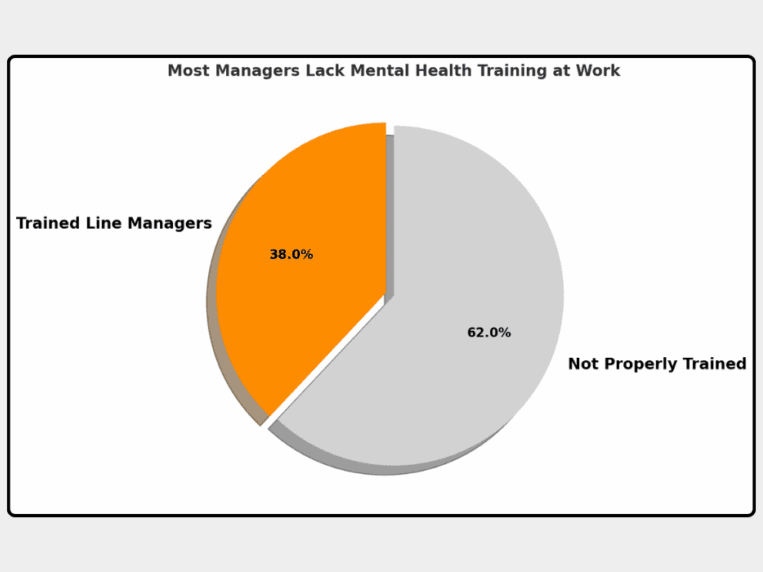
To effectively manage employees when they face mental health conditions, it’s beneficial to understand what they may be experiencing and what you can do. Supervisors should be cautious not to diagnose, make assumptions, or ask about employees’ perceived or known conditions. There are legal guidelines and considerations to keep in mind, plus showing empathy and support to employees.
Mental Health Conditions Impacting the Workforce
Anxiety and depression cost the U.S. $1 trillion in lost productivity annually, and globally, 12 billion working days each year, according to the World Health Organization.
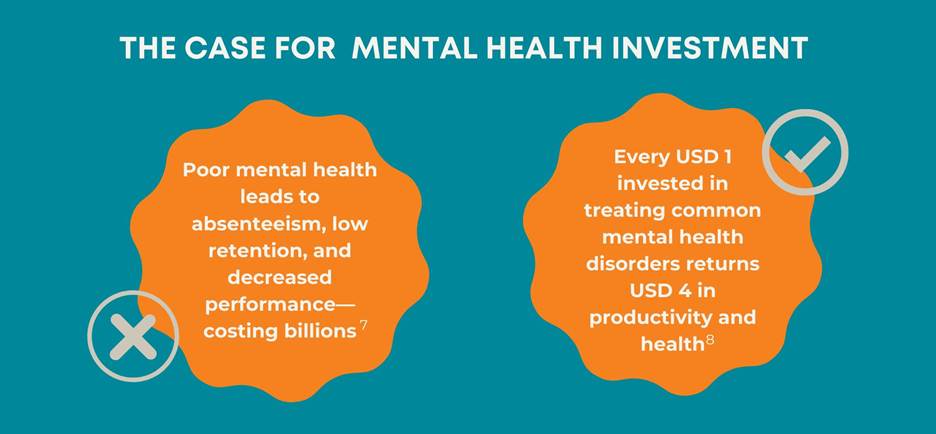
Mental health conditions are different for everyone who experiences them, and the symptoms and impacts vary. People can experience these conditions at any time for any reason. Conditions impacting the workforce include but aren’t limited to:
- Anxiety
- Attention-Deficit/Hyperactivity Disorder (ADHD)
- Depression
- Eating disorders
- Obsessive Compulsive Disorder (OCD)
- Post-Traumatic Stress Disorder (PTSD) or Complex Post-Traumatic Stress Disorder (CPTSD)
- Substance abuse disorders
Mental health conditions can be classified as disabilities or long-term chronic illnesses. When legally classified as such, the Americans with Disabilities Act and the Accessible Canada Act provide employees with protections against discrimination and harassment, and rights to reasonable accommodations at work. Under these acts, employees also have the right to keep their conditions private.
Supervisors should be familiar with what local laws require and prohibit. To ensure compliance, engage your HR representative or department for guidance or obtain legal advice.
How These Conditions Show Up at Work
Mental health and physical health conditions often share symptoms, so it’s important not to make assumptions about others’ experiences. Many people choose to keep their health conditions private. According to the National Alliance on Mental Illness, employees feel uncomfortable discussing mental health for several reasons:
- Stigma or judgment
- Lack of discussion from colleagues
- Not wanting to appear weak
- Fear of losing opportunities or retaliation
- Their job is affecting their mental health
While people’s experiences with mental health conditions may share similarities, they aren’t the same. These are some ways mental health conditions can show up at work.
- Lack of focus
- Difficulty concentrating
- Easily distracted
- Late often
- Fixating on things
- Withdrawing from conversations or group activities
Signs an Employee Is Suffering from a Mental Health Issue—MedCircle
Employees may be able to manage their conditions during the workday just fine. If mental health conditions become disruptive to their or others’ work, the impact may need to be addressed.
Managing People Experiencing Mental Health Conditions
When supervisors are involved in employee well-being, it benefits retention, productivity, and job satisfaction, but everyone is responsible for managing their own mental health. It’s up to each individual to pave their path to success with a job and workplace that meet their needs.
There are practical ways to support employees’ mental health. The U.S. Occupational Safety and Health Administration provides guidelines for supervisors to check-in with employees and offer support for mental health at work. The Canadian Centre for Occupational Health and Safety offers tips to create a supportive work environment.
Employers generally shouldn’t ask employees about mental health conditions but can check in with them. Noticing changes in behavior or performance can signal opportunities to offer support. Approach these conversations with respect and empathy:
- Ask about the person’s workload, their schedule, and if anything prevents them from succeeding at their job. Find out what is and isn’t working and what you can do to help.
- Understand legal reasonable accommodations and the process for an employee to request them. Learn more about accommodations in the U.S. and Canada.
- Offer flexibility or other solutions which may be different than legal reasonable accommodations.
- Document the conversation and what solutions or resources you offered. Consult HR or seek legal advice if you’re unsure of next steps, if reasonable accommodations need to be considered, or if leave under the Family and Medical Leave Act (FMLA), sick leave, disability leave, or other protected leave may be available.
- Follow up with the employee in writing about what changes will be made, if any.
Share Company-Provided Resources
If your company offers mental health benefits or resources, communicate how to access them to your team before someone is in need. Communicating early makes the resources readily available and avoids singling anyone out.
While employers may believe they communicate often about available employee assistance programs (EAP), 22% of employees know little about benefits offered by their employer, according to Prudential’s Benefits & Beyond study.
These benefits or resources may include:
- EAP
- Access to counseling
- Wellness programs or app subscriptions
- Flexible schedules
- Mental health days
Balancing Empathy and Performance
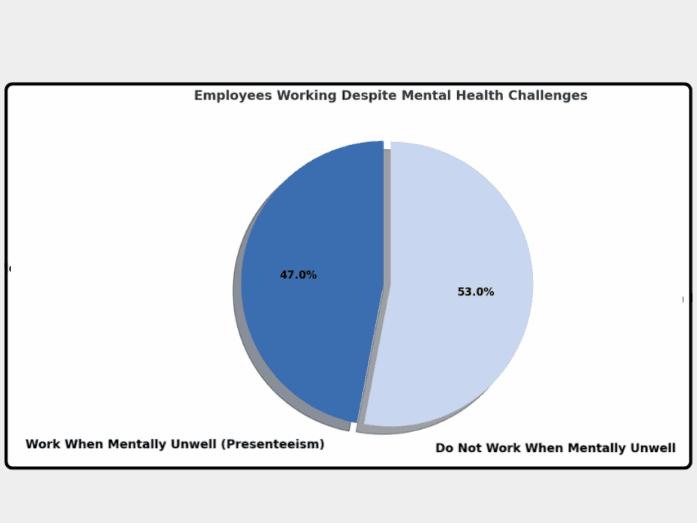
Supporting employees experiencing mental health conditions isn’t successful without boundaries. Maintaining professional relationships and interactions is critical, and engaging HR or legal can support boundaries. The goal is to see employees succeed at their jobs and provide support and reasonable accommodations when possible.
It’s important to communicate expectations clearly and address performance concerns with sensitivity and under the guidance of HR or legal. This balanced approach offers empathy to employees and ensures a productive work environment for everyone.
Professional Mental Health Support
If mental health conditions are affecting work, it might be time to schedule a visit with a mental health professional. Healthcare providers can refer you to professionals, or you may find support through organizations that offer hotlines.
U.S.:
- Substance Abuse and Mental Health Services Administration’s national helpline: (800) 662-HELP (4357)
- Suicide and Crisis Lifeline: 988 (call or text)
- National Alliance on Mental Illness: 1-800-950-6264 (call) or text “NAMI” to 62640
Canada:
- Mental health resources: 211 (call or text)
- Suicide and Crisis Lifeline: 988 (call or text)
- Provincial and territorial resources
Disclaimer: The information provided is for informational purposes only and is not a substitute for professional medical advice. For specific advice, consult your physician or other qualified health provider. The information provided is for general informational purposes only and does not constitute legal advice. For specific legal advice, please consult a qualified attorney.
About Express Employment International
Express Employment International supports the Express Employment Professionals franchise and affiliated brands, including Specialized Recruiting Group and Express Healthcare Staffing. The Express franchise brand is an industry-leading, international staffing company with locations across the U.S., Canada, South Africa, Australia, and New Zealand. For more information, visit ExpressPros.com/Employers or ExpressPros.ca/Employers.
