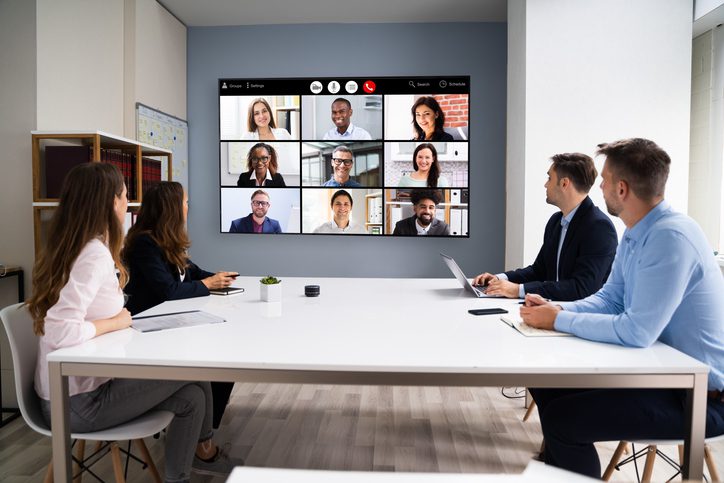
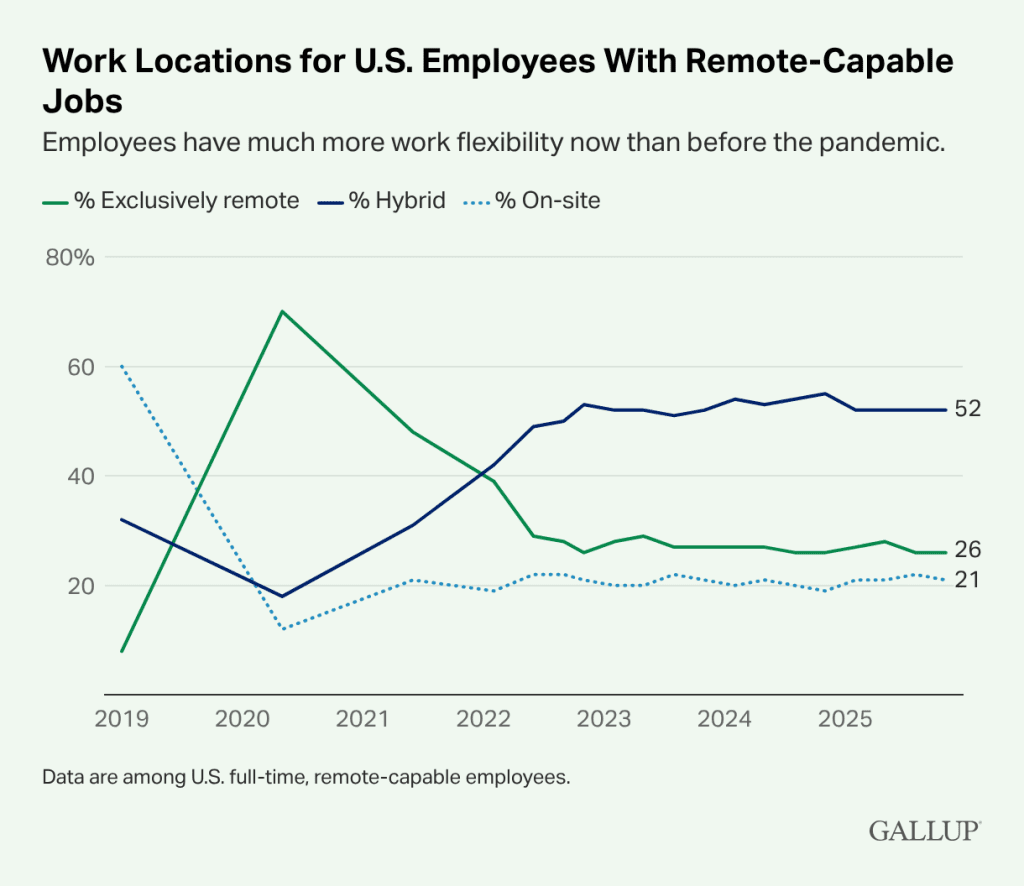
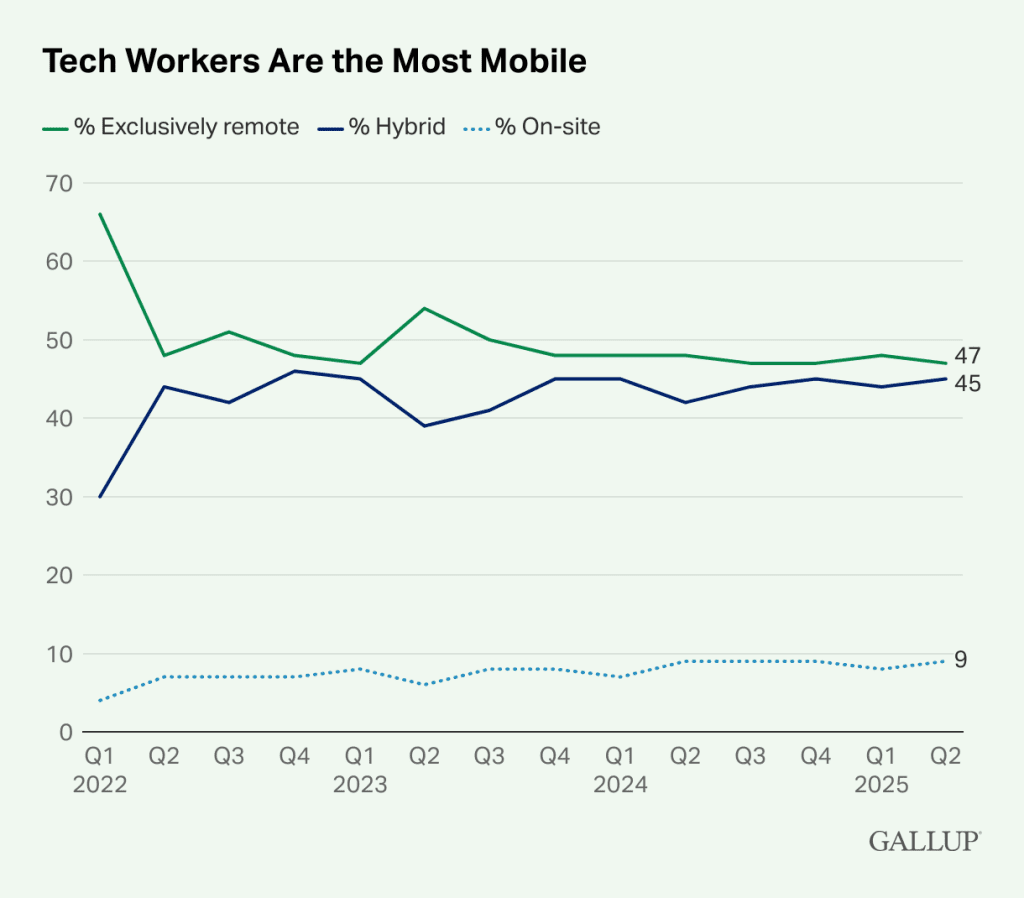
Remote and hybrid engineering teams are now standard, requiring adjustments in management strategies to maintain productivity, cohesion, and innovation. Effective leadership plays a crucial role in attracting and keeping top talent. Modern engineering teams want flexibility, transparency, and meaningful connections, but face challenges such as communication gaps and proximity bias. Using deliberate communication, organized workflows, and fostering a culture that balances independence with alignment can help these teams succeed regardless of their location.
Clarity and Alignment Execution
Clarity and alignment in execution are vital for hybrid teams, especially for engineering, which relies on clear expectations. In a hybrid work environment, leaders need to be explicit about communication norms, workflows, and performance standards to reduce ambiguity. Strategic alignment is crucial when teams are dispersed, ensuring everyone understands how their work contributes to organizational goals. Structured communication enhances alignment, with predictable routines like weekly updates and documented decisions, keeping everyone informed.
Engineering Leadership Strategies for Cohesion
- Define Communication Channels and Norms: Establish guidelines for when to use email, messaging apps, video calls, or project management tools. This helps reduce confusion and streamline collaboration.
- Make Work Visible: Use shared dashboards, sprint boards, or documentation hubs to ensure progress is transparent across different locations.
- Set Clear Performance Expectations: Hybrid teams thrive when goals, key performance indicators, and success metrics are clearly defined and accessible to all team members.
- Document Decisions: Provide written summaries of meetings and project updates to ensure that everyone stays informed, regardless of time zones or work schedules.
Cultivate Connection through Authentic Trust
Hybrid engineering teams require leaders who can foster trust and connection without relying on location proximity. Forbes explains remote employees often fear being overlooked for opportunities, while in-office employees may unintentionally gain more visibility. Leaders should create an environment where every engineer, regardless of their location, feels valued, supported, and included. This involves implementing systems that promote fairness, participation, and team cohesion.
Driving High-Performance Hybrid Teams with Inclusive Leadership
Effective inclusive leadership strategies keep engineering teams engaged, motivated, and connected, even when they are not physically present.
- Rotate Meeting Times and Responsibilities: Ensure equal participation across different time zones to prevent remote employees from feeling excluded.
- Recognize Achievements Publicly: Celebrate successes through shared channels to promote equitable visibility for all team members.
- Establish Intentional Connection Points: Organize virtual team-building activities, cross-functional introductions, and structured onboarding to help remote engineers integrate more efficiently.
- Promote Autonomy: High-performing engineering teams succeed when leaders focus on outcomes rather than the physical presence of their team members.
Creating Unified Hybrid Engineering Cultures
Remote and hybrid engineering teams require careful structuring. According to HR Oasis, engineering leaders should create teams with clear ownership, asynchronous collaboration, and well-defined interfaces between roles. This approach reduces setbacks and allows engineers to work more independently. Hybrid teams benefit from lightweight demos, optional pairing sessions, and weekly alignment notes, which enhance predictability and reduce the need for constant check-ins, enabling engineers to focus on complex projects.
Transformational Engineering Leadership
Leading remote and hybrid engineering teams necessitates more than just adapting traditional management styles; it requires a new leadership mindset. Flexibility, empathy, and strategic clarity are now essential skills for engineering leaders. As hybrid work continues to evolve, those who embrace these approaches will cultivate stronger, resilient teams capable of delivering exceptional results. By implementing these methods, leaders foster stronger, adaptable teams.
About Specialized Recruiting Group
Specialized Recruiting Group (SRG) delivers top-tier professional talent solutions. SRG supports local business communities and professionals seeking new career opportunities by offering a consultative and collaborative approach to professional staffing. For more information, visit SRGPros.com or SRGPros.ca. Find the location nearest you in the U.S. or Canada.