As AI transforms the workplace, job seekers should recognize that technical skills are no longer enough. While machines handle repetitive tasks, employers increasingly value human abilities that technology cannot replicate. According to the World Economic Forum, AI cannot replicate human creativity, ethics, or interpersonal communication, making these skills crucial.
Soft skills enable effective collaboration and help workers navigate rapid changes driven by automation. As industries adopt advanced tools, employees who can adapt, solve problems, and demonstrate emotional intelligence will stand out. Employers are shifting their hiring priorities toward these uniquely human capabilities, with the World Economic Forum’s Future of Jobs Report noting that emotional intelligence and adaptability are now among the most in-demand skills.
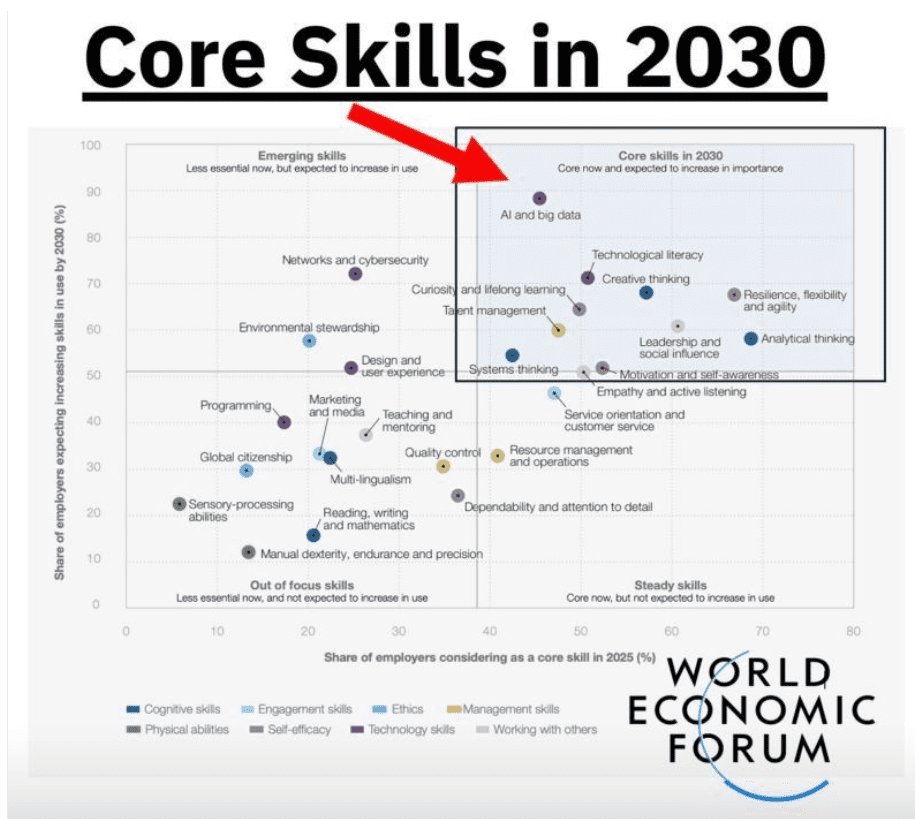
Key Soft Skills That Complement Automation
- Communication: Machines can process data, but they cannot interpret nuance or context. Strong communicators bridge the gap between automated systems and human teams, ensuring clarity and collaboration.
- Adaptability: As automation tools evolve, employees must adjust quickly to new workflows and technologies. Adaptability helps workers remain resilient and productive during transitions.
- Critical Thinking: Automated systems may fail or misinterpret complex situations. Critical thinkers can evaluate information and make informed decisions that machines cannot.
- Emotional Intelligence: Empathy, active listening, and relationship-building are irreplaceable. These skills are vital in leadership, customer service, and team-based environments.
- Creativity: Innovation still depends on human imagination. Creativity drives new ideas, problem-solving approaches, and strategic thinking that automation can’t replicate.
Why Soft Skills Matter More in an Automated Workplace
Automation is changing job roles by realigning the skills most valued by employers. Instead of replacing workers, it allows employees to focus on higher-value tasks requiring judgment, empathy, and collaboration. Research from Harvard Business School shows that essential soft skills, such as communication, critical thinking, and leadership, form a foundation for advanced capabilities and can lead to higher wages.
Soft skills are also crucial for innovation and customer experience. While automation improves efficiency, it cannot build trust or provide compassionate service. For example, emotional intelligence is key in fields such as healthcare, human resources, and the service industry, where human connection is essential. Studies indicate that even advanced AI cannot replicate the empathy needed for difficult conversations or high-stakes negotiations.
How Job Seekers Can Strengthen Soft Skills
- Engage in Courses and Workshops: Many organizations offer training programs that focus on essential skills like communication and leadership. These sessions help build confidence and provide valuable hands-on experience for personal and professional growth.
- Practice in Real-World Scenarios: Participating in volunteer opportunities, group projects, or role-playing exercises enhances your ability to apply soft skills in practical situations, allowing you to tackle real-life challenges.
- Seek Constructive Feedback: Actively seeking feedback from peers or mentors is crucial for personal development. This feedback highlights strengths and areas for improvement, enhancing self-awareness and emotional intelligence.
- Embrace Collaboration: Working with diverse teams fosters communication, adaptability, and problem-solving skills. Engaging with varied perspectives broadens your approach to teamwork and innovation.
What This Means for You
Automation isn’t eliminating the need for human workers; it’s elevating the importance of what makes us uniquely human. Soft skills like communication, adaptability, emotional intelligence, and creativity are becoming the foundation of career resilience and advancement. By investing in these abilities, job seekers can future-proof their careers and thrive alongside emerging technologies. The future of work belongs to those who can blend technical understanding with human insight, ensuring that automation enhances, not replaces, their professional value.
About Express Employment Professionals
At Express Employment Professionals, we’re in the business of people. From job seekers to client companies, Express helps people thrive and businesses grow. Our international network of franchises offers localized staffing solutions to the communities they serve across the U.S., Canada, South Africa, Australia, and New Zealand, employing more than 11 million since its inception. For assistance with your job search, visit ExpressPros.com/Job-Seekers or ExpressPros.ca/Job-Seekers.