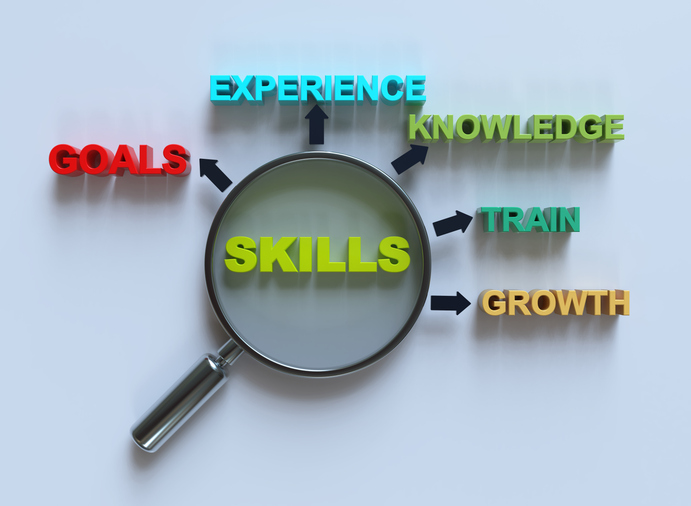
As the workforce evolves and demands companies to adapt to new technologies, processes, and changing priorities, having the right skills on your team is crucial. To identify your team’s strengths, missing skills, and areas for growth, use skills audits.
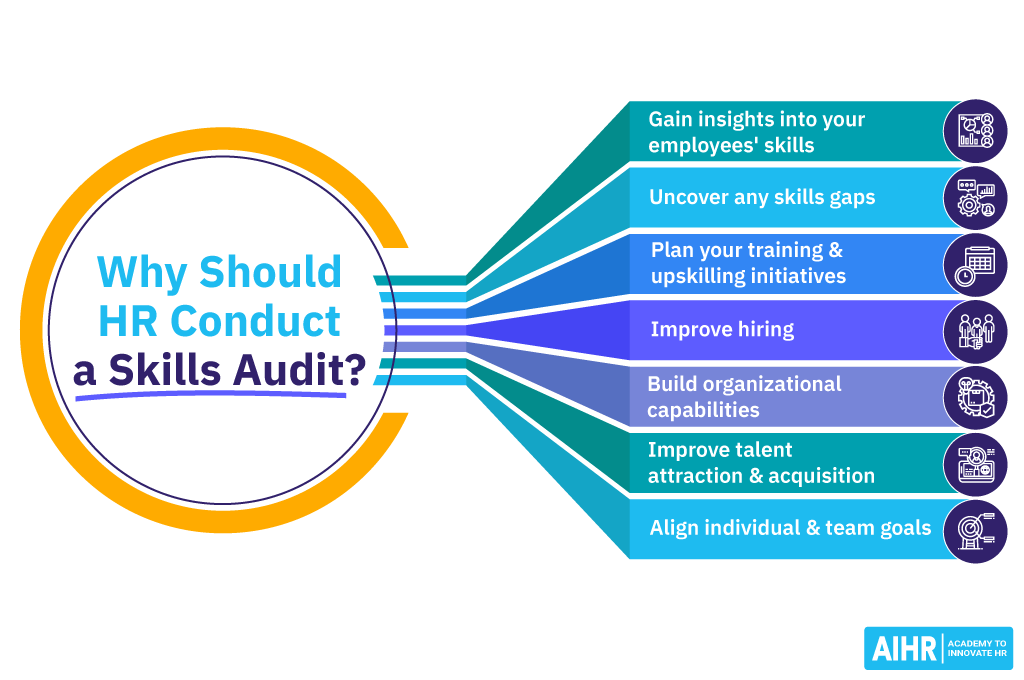
Why Conduct Skills Audits
The workforce is facing a skills gap and 59% of the workforce will need to reskill by 2030, according to the World Economic Forum. While skills gaps may be identified during hiring, ongoing skills audits are needed to ensure your team is equipped to do their best work as priorities shift and new skills are needed.
Skills audits center around identifying talent need. Deloitte describes steps to take and target outcomes in four areas:
- Logic behind skills audits
- Assessing current skills vs. needs
- Choosing methods of filling gaps
- Reward and retain talent
This analysis can pinpoint which skills your team needs to learn or gain experience in, and which new hires can fill when joining the team.
How to Do a Skills Audit
The most effective skills‑audit approach is the one that feels natural for your team and delivers real value in your day‑to‑day work. The goal is to identify existing skills compared to the skills needed to gain an understanding of areas of improvement.
Customize these skills audit options to best fit your team.
Interview vs. questionnaire:
Skills audits can be done in person or by a questionnaire. Either way, prepare the questions in advance, communicate the goal of the assessment, and provide positive feedback for participation, without passing judgement of skills one may lack.
Personal vs. group setting:
Team members may benefit from one-on-one discussion where they can be transparent about their weaknesses, or they may prefer to have the conversation as a group to uplift each other’s strengths and potential.
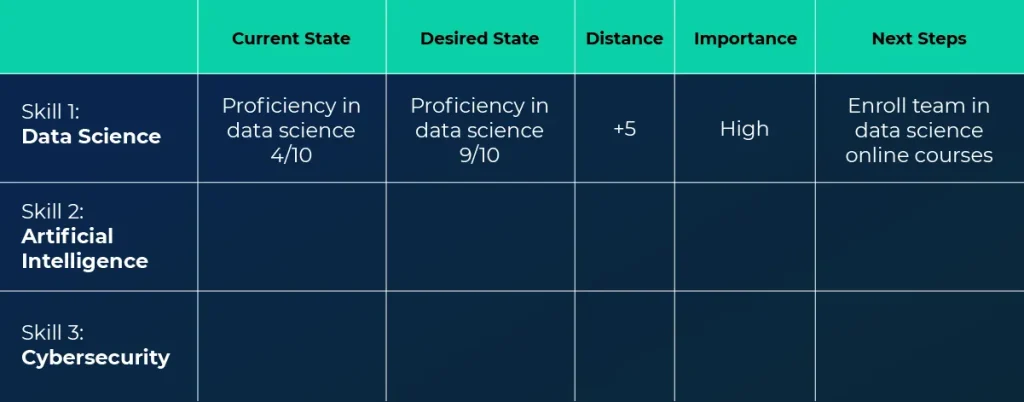
Skills Matrix
Developing a skills matrix or customizing a template creates documentation about current skills and experience levels.
When to Do a Skills Audit
The Academy to Innovate HR has five scenarios when skills audits should be conducted.
- A new role is added
- Someone’s role changes
- An employee changes departments
- Special skills are needed for a new project
- Performance management to measure if expectations are being met
Expected Outcomes of Skills Audits
Effective skills audits enable companies to stay responsive to changing business needs. By proactively addressing strengths and skills gaps within your team, you can foster employee growth, align talent with business goals, and ensure your workforce remains competitive in a dynamic market.
If your skills audit unveils a need to hire additional workers, Express Employment Professionals is here to support you with a talent pool that’s ready to work.
About Express Employment Professionals
At Express Employment Professionals, we’re in the business of people. From job seekers to client companies, Express helps people thrive and businesses grow. Our international network of franchises offers localized staffing solutions to the communities they serve across the U.S., Canada, South Africa, Australia, and New Zealand, employing more than 11 million since its inception. For more information, visit ExpressPros.com/Employers or ExpressPros.ca/Employers.
Last Updated on July 11, 2026
