
Technology is evolving rapidly, creating a complex landscape for tech professionals. Understanding specific roles is just the start; the real value comes from grasping the connections that tie everything together. University of Advancing Technology emphasizes that a forward-thinking attitude is essential for success in the tech world.
Systems thinking has transformed into a crucial skill for problem-solving, product design, and innovation. As technologies like AI and immersive simulations converge, employers increasingly seek individuals who can think broadly and creatively. This mindset fosters an understanding of the interactions among tools, processes, and teams, leading to innovative solutions.
Why Systems Thinking Matters More Than Ever
The tech industry is transforming into interconnected ecosystems where AI is integrated into nearly all platforms. Hardware and software are converging, and companies depend on complex networks of cloud services, APIs, and automation. Even entry-level roles require a solid understanding of system behavior and the broader impact of decisions. Systems thinking is a vital skill for long-term success in tech careers.
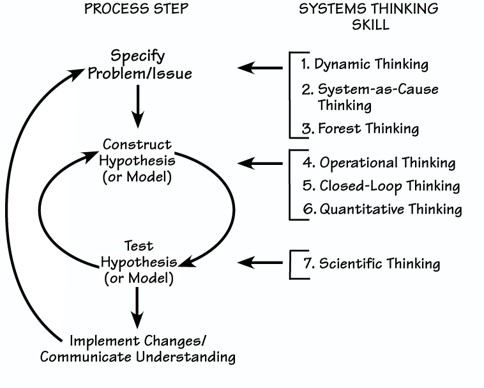
How Systems Thinking Shapes Real-World Work Across Tech
Systems thinking is more than just a buzzword; it’s a practical skill that’s essential in everyday work across various industries. Whether someone is writing code, managing infrastructure, or designing user experiences (UX), the ability to understand how different components interact is crucial. This reflects a broader industry trend. Companies are increasingly seeking individuals who can think holistically rather than merely focusing on completing specific tasks. Here are some examples of systems thinking in action:
- Software Development: Recognizing how code interacts with databases, APIs, cloud services, and security protocols.
- Cybersecurity: Analyzing how vulnerabilities in one system can affect the entire network.
- Data Engineering: Designing pipelines that must function reliably across multiple platforms and environments.
- Product Management: Balancing user needs, technical limitations, and business objectives while coordinating cross-functional teams.
- AI and Automation: Understanding how automated systems behave, how they learn, and how they influence human workflows.
The Increasing Need for Systems Thinkers in a Complex Tech Landscape
Tech employers are prioritizing skills over job titles, with systems thinking emerging as a key capability. As organizations harness AI, automation, and immersive technologies, they seek professionals who can navigate complexity and adapt quickly. Industry forecasts indicate that systems thinking will be highly sought after, enabling individuals to innovate and lead.
This shift is driven by the integration of AI in cybersecurity and software engineering, the convergence of hardware and software in robotics and IoT, the rise of immersive technologies, and collaborative tech roles where team contributions affect the broader ecosystem.
How to Build Systems Thinking Skills
Developing systems thinking skills begins with recognizing how your work impacts everything around it. Rather than viewing a task in isolation, practice asking how it connects to other people, steps, or outcomes. When you encounter a problem, strive to understand the underlying causes rather than just the immediate symptoms.
You can enhance this skill by examining real-world examples where a solution resolved one issue but unintentionally created another. This practice helps you think ahead and anticipate potential ripple effects. Simple tools like cause-and-effect diagrams and workflow maps can make it easier to visualize how everything is interconnected. Systems thinking improves problem-solving, creativity, and adaptability, essential qualities in the tech industry. As technology grows more interconnected, this skill helps professionals manage complexity and collaborate effectively, making it a valuable investment for anyone in tech.
Organizations gain a significant advantage when they partner with individuals who not only grasp technical details but also embody essential human qualities. Specialized Recruiting Group (SRG) connects companies with professionals who have a systems thinking mindset. Building resilient teams that can navigate complexity and drive innovation to achieve long-term goals.
About Specialized Recruiting Group
Specialized Recruiting Group (SRG) delivers top-tier professional talent solutions. SRG supports local business communities and professionals seeking new career opportunities by offering a consultative and collaborative approach to professional staffing. For more information, visit SRGPros.com or SRGPros.ca. Find the location nearest you in the U.S. or Canada.